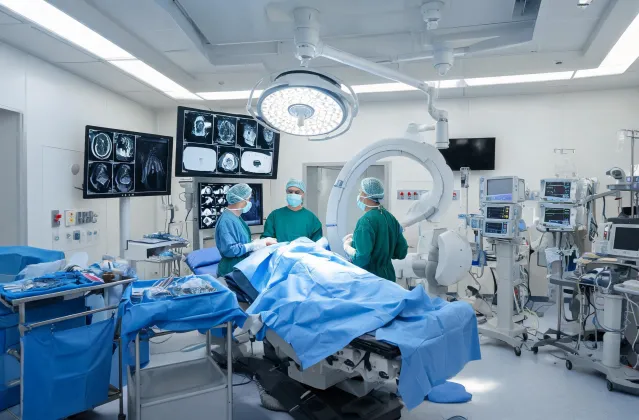
Hospitals (Tertiary & Community)
Multi-specialty robotics, ICU telemetry, and central-lab escalation.

Application before catalog
Intuitive Surgical devices are engineered for the workflow of each care environment—from 800-bed academic centers to compact ambulatory ORs and connected monitoring programs.
Multi-specialty robotics, ICU telemetry, and central-lab escalation.
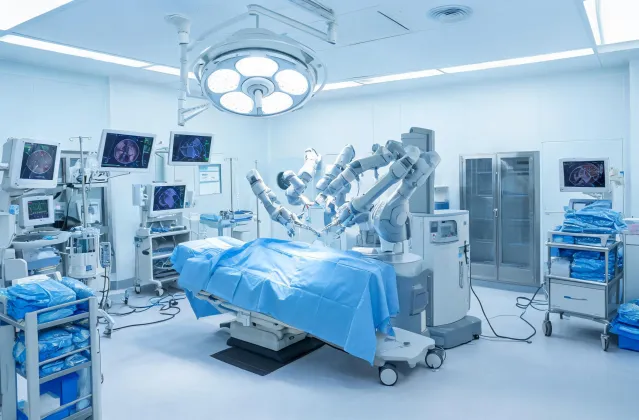
Turnover discipline, docking footprint, and same-day discharge pathways.
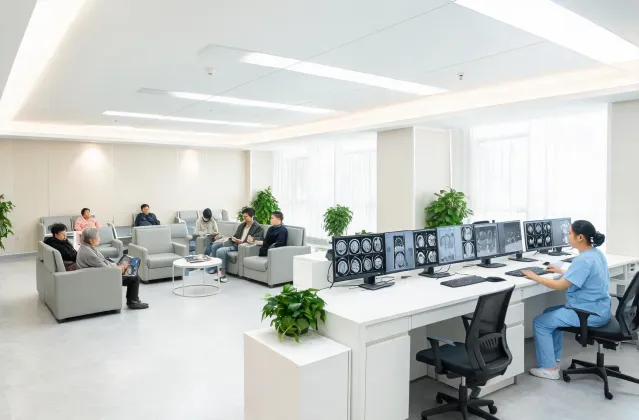
Pre-op staging, result routing, and specialty referral loops.
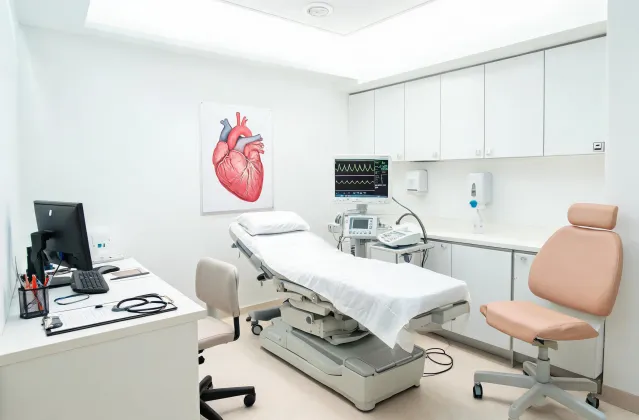
Procedure-focused consoles and peri-procedure monitoring kits.
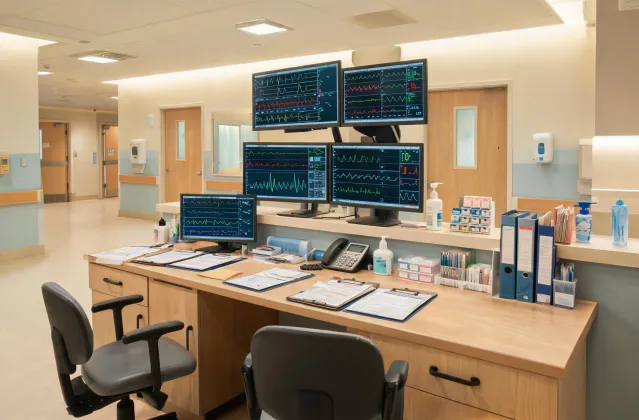
Remote monitoring escalation and caregiver training burden.
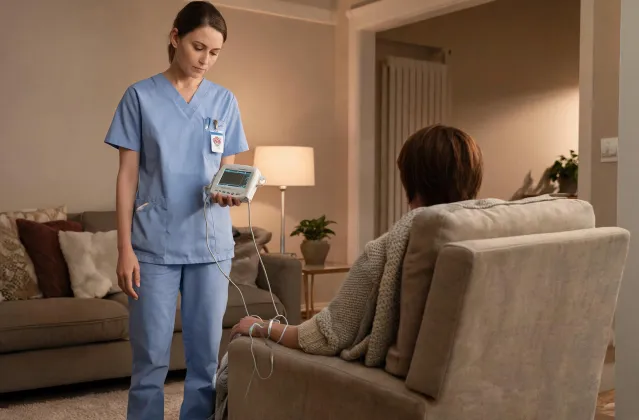
Setup, adherence, connectivity fallback, and support routing.
Method trade-offs
Neither pathway is universally superior. Value analysis should hold outcomes, economics, access, reprocessing, and waste in the same packet.
Superior ergonomics can reduce surgeon fatigue; 3D visualization and wristed instruments may help complex reconstructions in tight anatomy. Documented shorter length of stay appears for selected indications such as prostatectomy and hysterectomy when training pathways are standardized. Capital cost, per-case disposables, and console availability remain explicit constraints.
Comparable clinical outcomes for many general surgical indications appear across multiple RCTs, often at 30–60% lower per-case cost, with broader surgeon availability and no single-vendor lock-in. Community and international programs may preserve access when robotic capital or disposable logistics are not justified.
Eliminates cross-contamination risk and reprocessing labor, supports predictable per-procedure costing, and can speed ASC turnover—while increasing waste and supply-chain exposure.
Lower lifecycle cost and waste are possible when ANSI/AAMI ST91 and ISO 17664 reprocessing validation, sterility assurance level (SAL) evidence, and staff competency are maintained; Spaulding-class failures remain a process risk.
Start with setting, users, volume, interface, market, and validation method.
Browse Devices