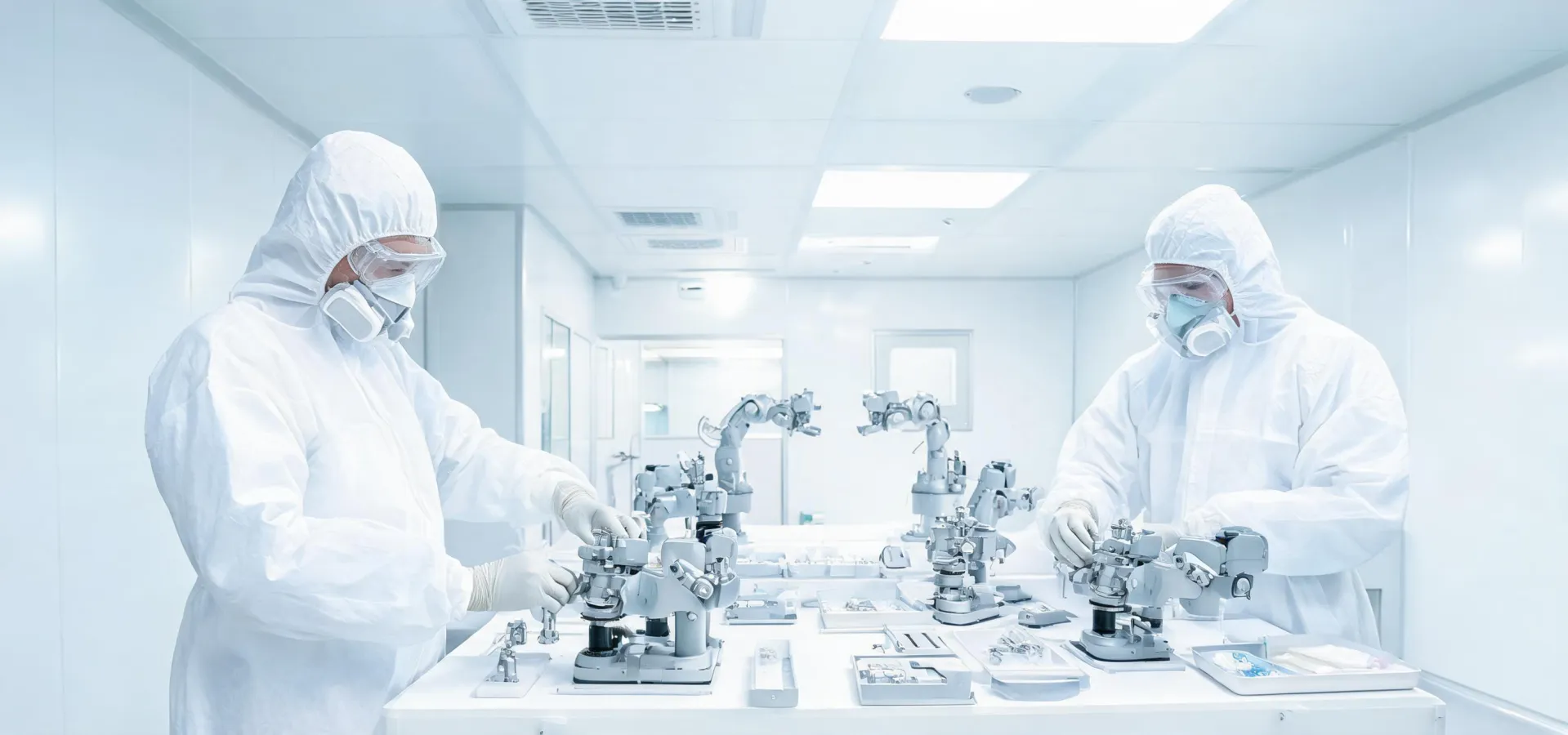
Medical device cleanroom assembly for surgical robotics

Built by clinicians and engineers

Built by clinicians, biomed engineers, and regulatory pros.

Intuitive Surgical culture treats QMS discipline, clinician co-design, and field-service rotation as engineering skills—not wall posters.

Mission

Make life-critical platforms that hold up under FDA inspection and in a 3 a.m. OR escalation—where docking delay, alarm fatigue, or LIS downtime becomes a patient-safety issue.
Vision

By 2030, every Intuitive Surgical device shipped into evaluated programs will be SBOM-disclosed and HL7 FHIR-ready for the interfaces hospitals actually run.

Operating values

Six Habits That Shape Platform Decisions

Patient-First Engineering

ISO 14971 risk-benefit analysis baked into design reviews and case-readiness checklists.

QMS Discipline

ISO 13485 lived daily across design history file (DHF), device master record (DMR), CAPA, and complaint loops.

Clinician Co-design

Every major platform path includes a physician advisory board.

Regulatory as a Skill

RA teammates are engineering peers, not late-stage gatekeepers.

Service Culture

Engineers rotate through field service to feel real MTTR pressure.

Inclusive Hiring

HBCU and community-college biomed pipelines feed FSE and RA roles.

Team in the field

Where Platform Culture Shows Up

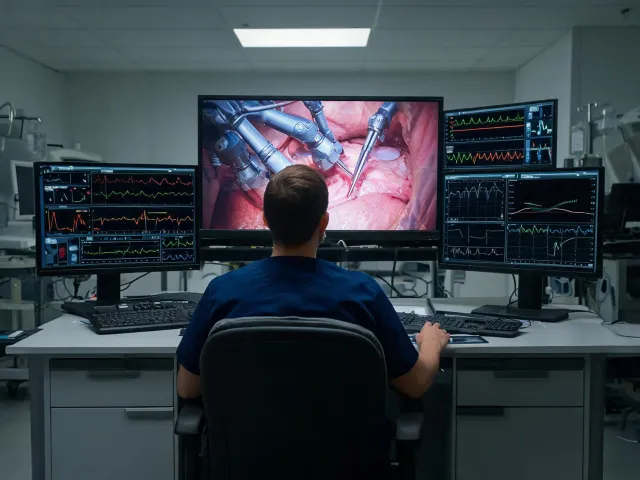
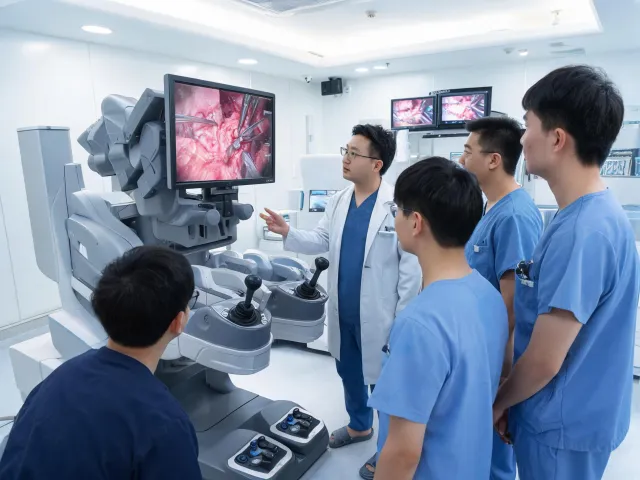
Clinical engineer at imaging console
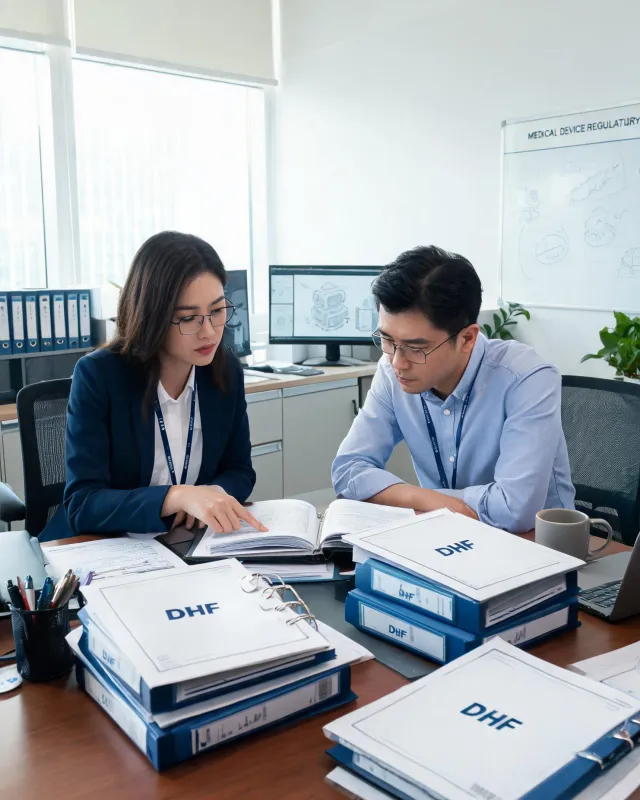
Regulatory affairs team in lab coats
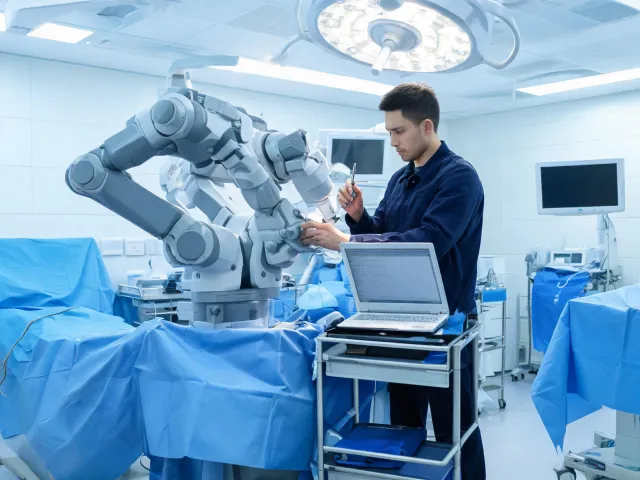
Field service engineer servicing hospital equipment
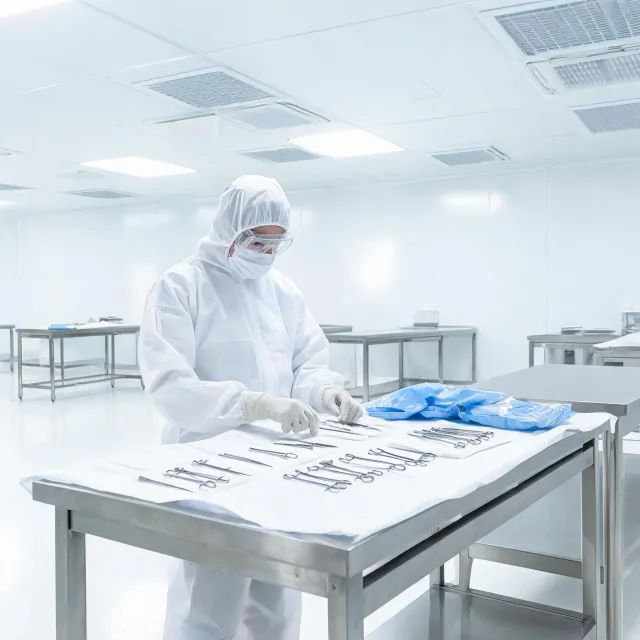
Cleanroom assembly station
Customer clinical training session
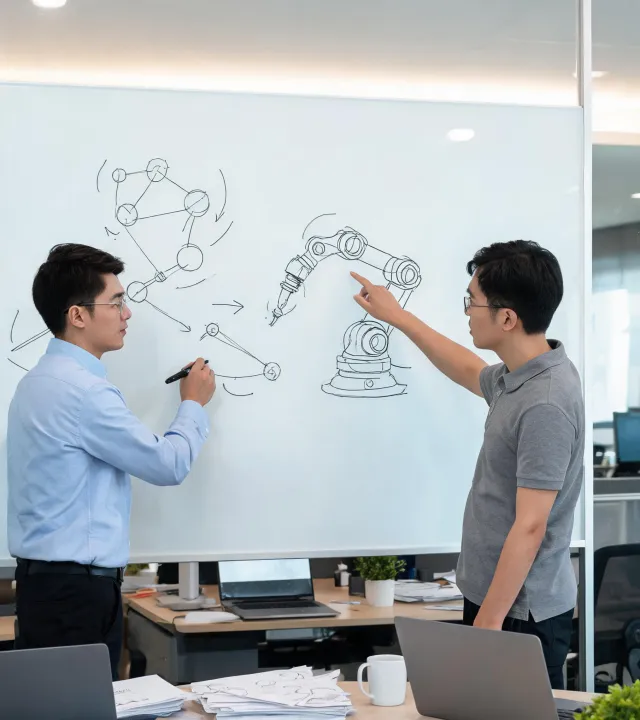
R and D whiteboard session

Open roles

RA Specialist · Biomed FSE · Clinical Application Specialist · SaMD Engineer

Bring constraints, not slogans. Share the workflow you want to harden next.

Talk with talent & clinical teams